Signs
Damp line at the wall and floor joint
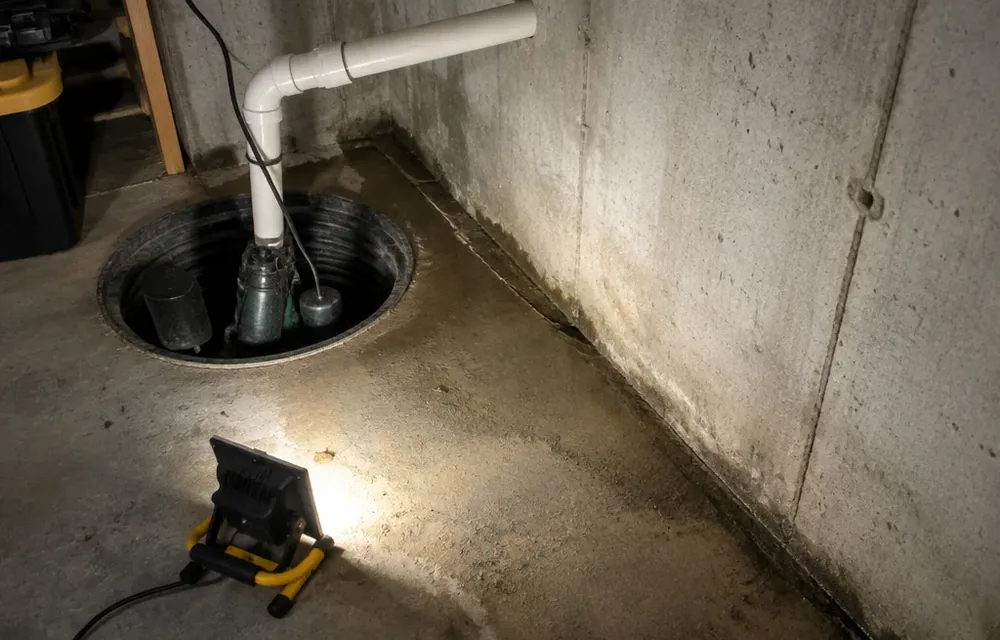
A dark band or beading where the wall meets the floor after rain points to groundwater pushing up at the cold joint rather than a spill from above.
Pit that stays high or runs without pause
A sump pit that remains near the rim or a pump that cycles without rest signals inflow, check valve, or discharge trouble that needs attention.
Musty odor and paint that blisters low on walls
Persistent damp smell plus peeling paint or soft drywall near the floor shows repeated wetting hidden behind finish materials.
Water far from any plumbing fixture
Pooling at the slab edge or in the middle of the floor with dry pipes above usually means entry from below or outside rather than a supply leak.
What a wet basement is
Direct answer: A wet basement is water entering living or storage space below grade through the slab edge, cracks, pores, or openings above the slab. It ranges from light dampness that darkens concrete to standing water that soaks carpet, baseboards, and stored boxes. The source is usually groundwater rising after rain and melt, surface water directed at the foundation, or a mix of both working against weak collection and discharge.
How entry happens: Block foundations and poured walls both meet the footing at a joint that can weep when the surrounding soil stays saturated. Cracks from settlement, tie holes, and pipe penetrations give water smaller paths that widen with freeze and thaw. Window wells, bulkhead doors, and low vents let surface water in above slab level during heavy rain, which looks like seep but needs different grading and drainage work.
Why timing matters: Wetting that follows storms and then dries points toward groundwater and surface paths, while wetting that stays constant in dry weather points toward plumbing. Mark the first wet spot, the weather at the time, and whether the sump pit is high, low, or dry. Those three notes let us separate sump and drainage trouble from supply and drain leaks on the first call. See wet basement patterns and sump pump failure for the checks we run.
What causes basement wetting
Direct answer: Basement wetting comes from groundwater pressure, poor surface control, and failed collection working together. High seasonal water table pushes water against the foundation after sustained rain and spring melt. Short downspouts, grading pitched toward the house, and patios that slope inward add roof and surface water to the same soil that already holds groundwater.
Collection and lift failures: Perimeter drains that silt with age carry less water to the pit, so the slab edge wets while the pit stays low. Pumps with stuck floats, clogged intakes, or failed check valves let inflow rise over the floor even when the pit and motor look intact. Discharge lines that end beside the foundation, freeze shut at the outlet, or loop back through settled soil recycle the same water all night.
House and soil factors: Tight soils hold water against the wall longer than sandy soils that drain quickly. Finished walls hide early beading until baseboards swell and carpet damps at the tack strip. Storage piled against walls traps moisture and slows drying, which feeds odor and surface growth. Walk the basement during rain with a light and note each seep line, because the path sizes the fix better than the puddle size alone.
Look-alikes worth ruling out
Direct answer: Plumbing leaks, condensation, and above-grade leaks often look like groundwater seep and need different work. A washer hose, water heater, softener drain, or supply line can pool at the low corner and run along the slab edge exactly where seep appears. Condensation on cold pipes and walls in humid months beads and drips in a pattern that mimics weeping joints.
Plumbing versus seep: Plumbing leaks usually run regardless of weather and sit near the appliance or along the pipe path, with dry walls above the wet line. Seep usually follows rain and melt, beads first at the joint or through cracks, and dries between storms. If the sump pit stays dry while the floor wets elsewhere, or if water appears only when a fixture runs, ask for leak diagnosis rather than a larger pump. Compare high water bill from a hidden leak and washer hose leaks for the tells we check.
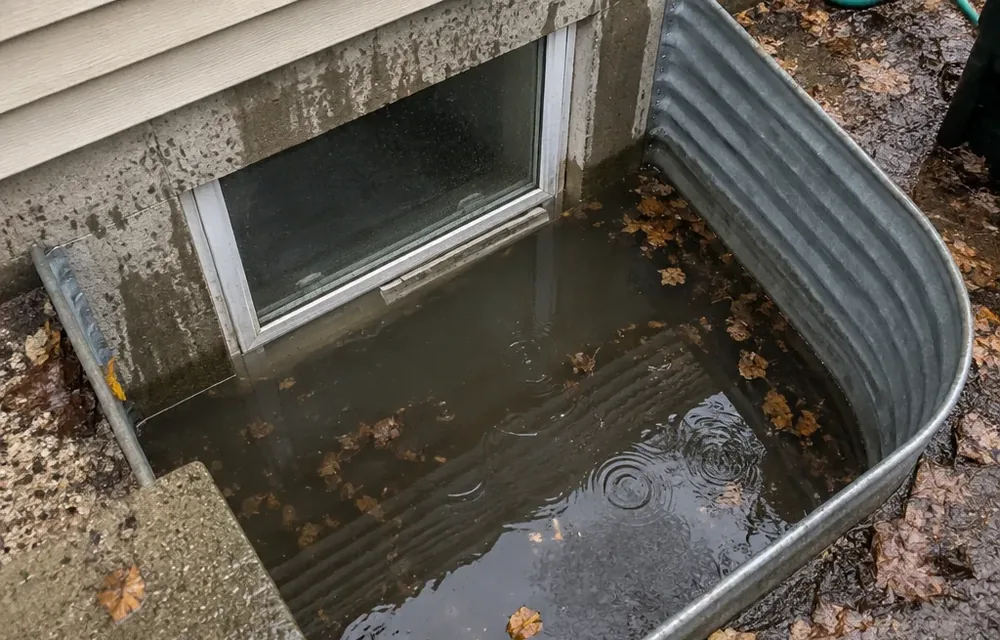
Above-grade and interior sources: Window wells that fill with leaves, bulkhead doors with worn seals, and dryer vents that dump humid air into the basement all wet floors without groundwater pressure. Gutters that overflow at the eave drop sheets of water beside the foundation that enter through the wall face rather than the floor. Describe whether water comes through the wall face, over the sill, or up at the joint, because that direction decides between grading, drainage, and plumbing work.
Where wet basements come up locally
Direct answer: Wet basements cluster on low ground near rivers, in neighborhoods with high seasonal water table, and on streets where older block foundations meet mature landscaping. Low lots hold groundwater close to slab level through spring, so pits cycle for days after steady rain. Homes with finished basements feel the damage first because baseboards and carpet trap early beading out of sight.
River-low and flat streets: Homes near the Concord and Merrimack river bottoms around North Chelmsford and across the line in Lowell sit low enough that spring melt keeps pits active well after the rain ends. Flat lots with short downspouts and settled backfill hold roof water against the wall, which adds surface load to groundwater pressure. In those spots discharge must carry well past the foundation to daylight or an approved point rather than ending in mulch beds that drain back.
Subdivisions and older foundations: Mid-century subdivisions through Billerica and nearby streets with block walls and cold joints weep first at the wall and footing line. Mature trees and beds that trap mulch against siding keep soil damp at the wall face through humid months. Finished rooms with storage tight to walls hide the early signs until odor and paint changes appear, so spring checks behind baseboards and under carpet edges catch trouble while it is still light seep.
What a visit for a wet basement involves
Direct answer: A visit maps the entry path, tests the pit and discharge, and separates groundwater work from plumbing work. We walk the basement during or just after wet weather when possible, mark each seep line, and time pit cycles against inflow. We check float travel, intake screen, check valve direction and hold, outlet power, and where discharge lands outside in both thaw and freeze positions.
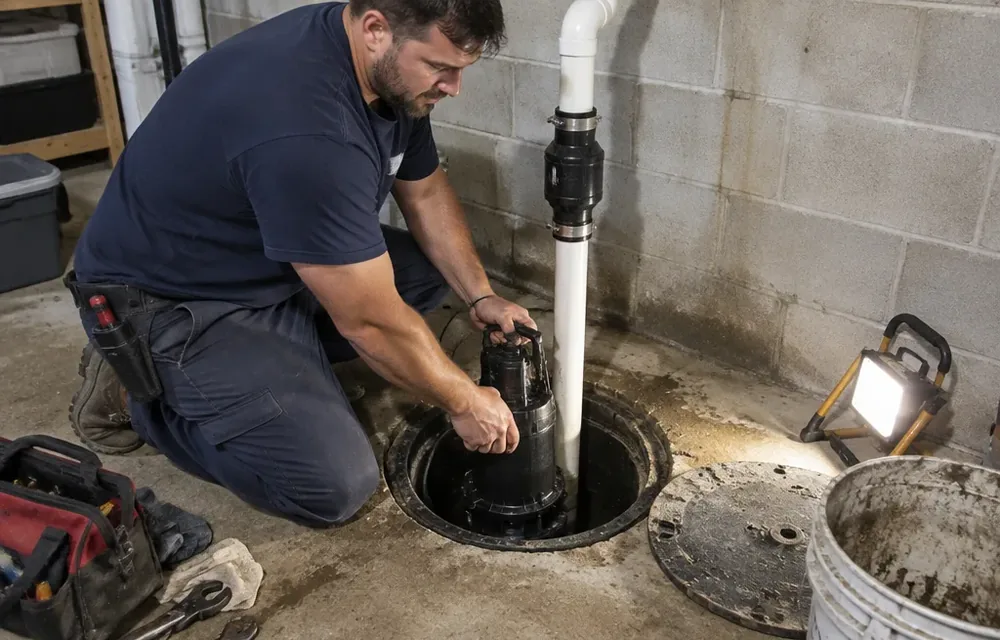
How we test collection: We clean debris from the pit, confirm the check holds between cycles, and run hose water to prove discharge carries away from the house without looping back. We look at downspout outlets, grading pitch, window wells, and bulkhead seals to see how much surface water joins groundwater load. Where the pit stays dry while walls wet, we chase perimeter collection and grading rather than pump size. This work lines up with sump pump installation when lift or collection needs an upgrade and with leak detection and burst pipe repair when the path points to supply piping.
What you receive: You receive a plain read on entry path, pit capacity, valve and power condition, and discharge routing, plus which fixes cut the most water first. Grading and downspout extensions often come before equipment changes because they lower inflow at the source. Where backup protection fits finished space, we explain battery and water-powered options against flooring risk and town water setup so you can decide without pressure.
Homeowner checks and damage risk
Direct answer: Homeowners can lower risk with safe checks, steady drying, and quick calls when water spreads. Keep clear of standing water near outlets and the panel, avoid lifting a humming pump by the cord, and move stored items off the floor onto shelving. Note weather, first wet spot, pit level, and whether any fixture was running, because those facts guide the next step better than photos of the puddle alone.
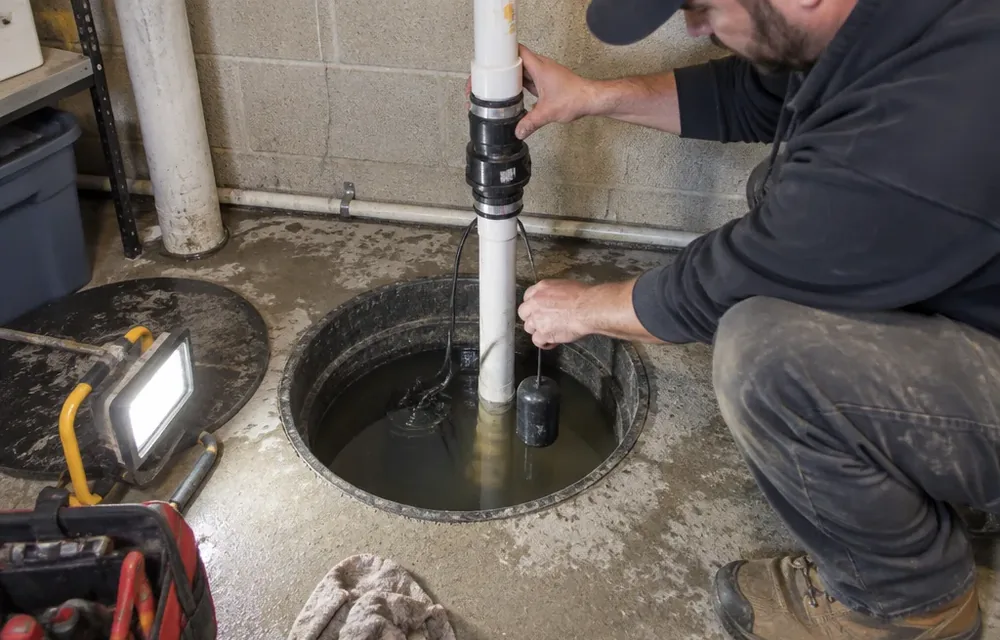
Safe checks to try: Extend downspouts away from the wall with temporary extensions, clear leaves from window wells and gutter outlets, and pull storage a hand width off walls to let air move. Test the sump outlet with a lamp, lift the float briefly where it moves freely to confirm the motor starts, and listen for the check valve holding between cycles. Clear pit debris by hand only when power is safe to manage, and never open sealed lids, wiring, or discharge joints that need tools and code-aware handling.
Damage risk if wetting stays: Repeated wetting swells baseboards, softens drywall, lifts flooring adhesive, and feeds persistent musty odor that lingers after the floor looks dry. Finished rooms suffer more because trapped moisture works behind paint and under carpet for days. Cardboard storage wicks water upward and holds it against walls. Early calls cost less in drying and repair than waiting through another storm cycle, especially where the pit runs without pause or water returns to the same joint each rain.
The service that fixes it
Related services
Related problems
Frequently asked questions
Why does water come up where the wall meets the floor?
That joint is the first place groundwater shows because the wall and footing meet there and the seal ages with soil movement. Rising water after rain pushes through the joint before it rises through solid slab. Plumbing leaks pool near appliances instead. Mark whether the beading follows rain, because that timing points toward seep and sump collection rather than supply piping.
My sump pit stays dry while the floor gets wet. What does that mean?
It usually means perimeter collection is blocked or water enters above slab level through wells, doors, or wall faces rather than under the slab. A dry pit with a wet slab edge points to silted inlets, settled grading, or surface water at the wall. We trace the entry path and test discharge routing before changing pump size.
Can grading and downspouts fix a wet basement without a new pump?
They can when roof and surface water drive most of the wetting, with short outlets and inward pitch feeding the same soil that holds groundwater. Extensions and re-pitching cut inflow at the source and let a sound pit keep up. Where groundwater alone keeps the pit high for days, collection and lift work still belongs in the plan.
What should I move first when the basement takes water?
Move papers, photos, electronics, and cardboard off the floor first, then lift fabric and rugs away from the wet edge. Keep clear of outlets and the panel where water stands. Note the first wet spot and pit level before moving fans into place, because that record guides sump pump help toward the right entry path.
Seeing wet basement?
Call and describe the symptom. A local specialist will tell you the sensible next step.