How does trenchless cost take shape?
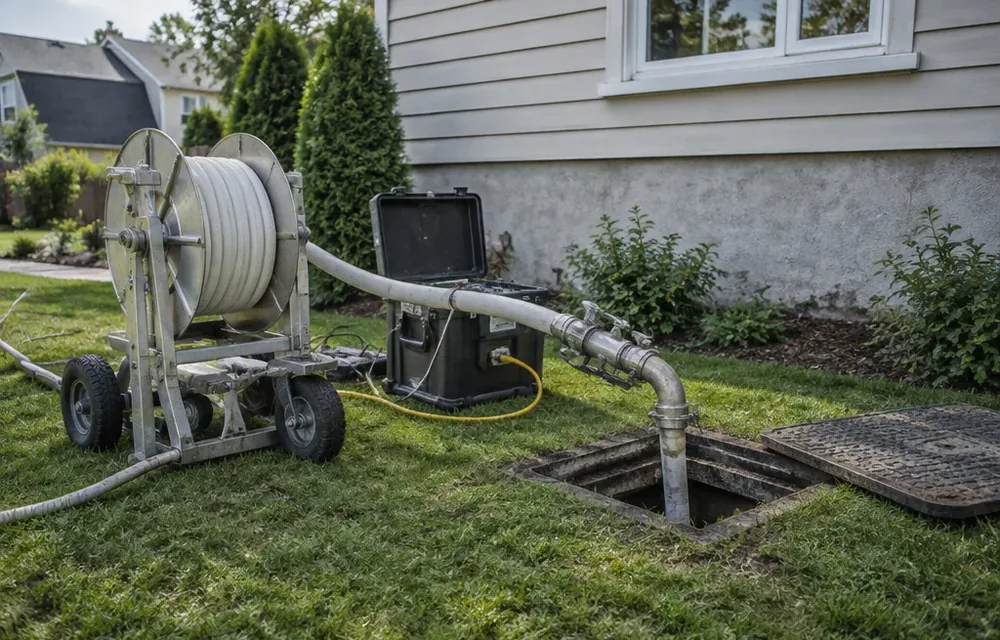
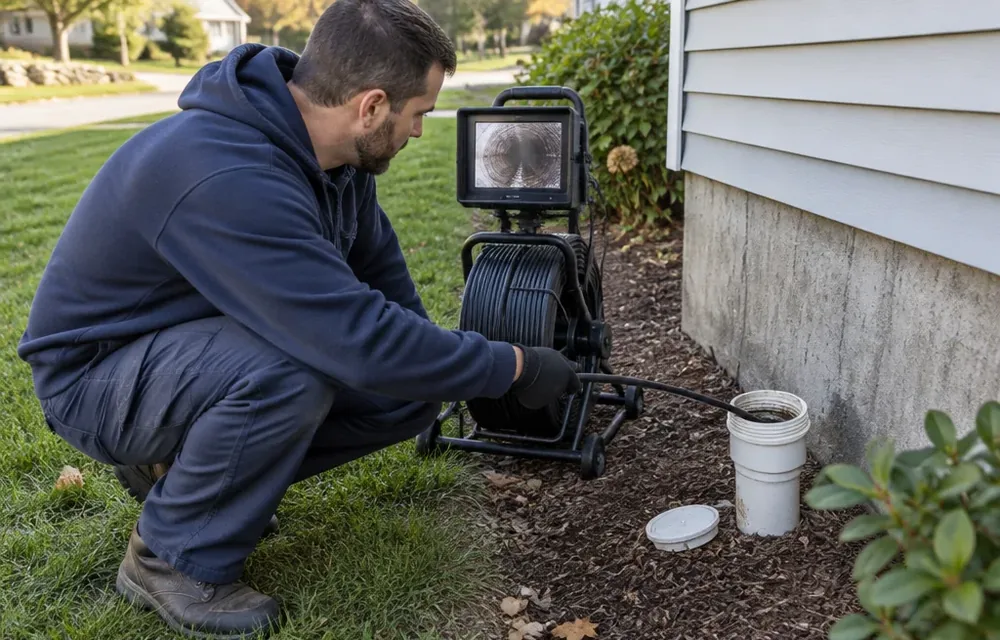
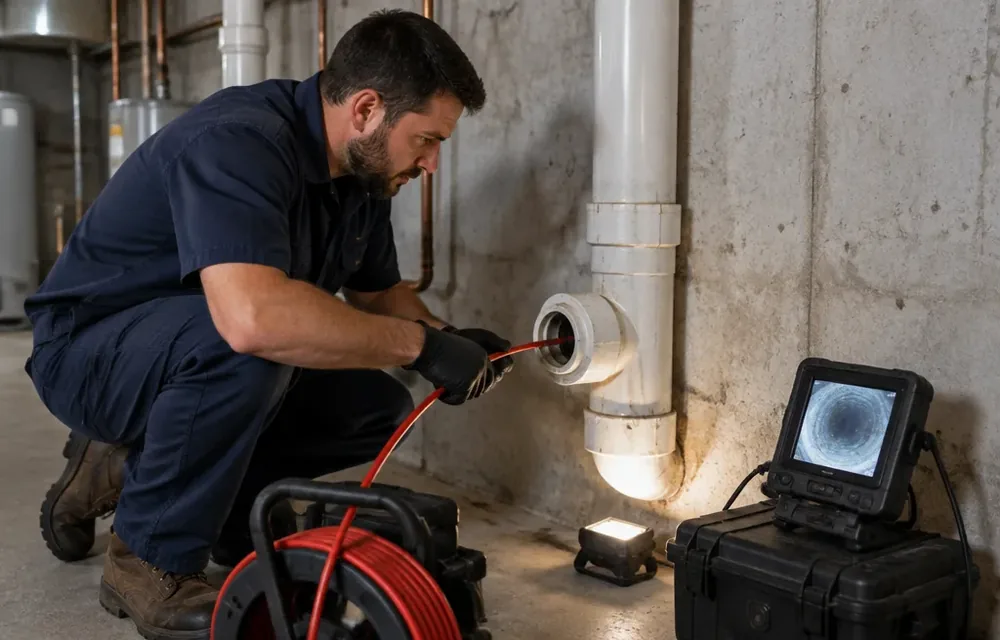
Scope shape: Trenchless sewer repair cost takes shape from preparation first and renewal second. Cable or jetting work opens the bore so equipment can pass, camera video with distance marks proves the pipe can carry lining or bursting, and locating ties access points to the yard. Only that proof package supports liner or bursting-head staging, which is why the cleaning and camera stages sit inside scope even before renewal begins.
Renewal and reinstatement work: Liner wet-out, inversion or pull-in, curing with monitoring, and branch reinstatement from inside each take crew time and equipment. Bursting adds pulling gear with new pipe fusion or joining through the run. Every lateral connection mapped on video must be reopened correctly under either method, and each reinstatement with post-work camera proof sits inside the project rather than beside it.
Pit and surface closeout: Entry and exit pits with shoring where depth requires, soil handling, dewatering where groundwater appears, and surface repair at each pit follow the renewal work. A trenchless proposal still names every pit location and its restoration plan in writing. That pit-by-pit accounting is reviewed before commitment in sewer service notes, since surfaces decide much of what owners remember.
What drives trenchless scope up or down?
Length and diameter: Length and diameter move trenchless sewer repair cost together. Short small-bore liners stage simply, while long runs with larger diameters need more material, longer curing oversight, and heavier pulling setups. Runs with many feet between access points add cleaning passes and camera time before renewal can even stage, and each added branch connection adds reinstatement work inside the renewed length.
Pipe shape and preparation needs: Aligned pipes with cracks and cleared roots accept renewal directly, while heavy scale, hardened grease, and dense root masses demand slower jetting passes with nozzle changes first. Standing water from mild bellies complicates curing oversight, and offsets near tolerance need careful measurement against equipment limits. The pre-renewal cleaning footage decides the preparation bill, which is why drain cleaning and hydro jetting history opens every honest trenchless conversation.
Access, soil, and water: Tight entry points, deep pits needing shoring, running sand, and high groundwater add staging and safety time that shallow dry pits never need. Buried utilities near pits, retaining walls above the run, and specimen trees whose roots must be cut only at pits each add handling. Tell dispatch the access layout, pit room, and soil behavior from prior digs so the visit stages cleaning, camera, and locating gear correctly.
Lining versus bursting paths compared
Comparison frame: Lining versus bursting differ in what remains of the old pipe and how grade is treated. Lining renews the interior and follows existing alignment with sealed joints, while bursting fractures the old wall outward and draws new pipe through with corrected material. Both use small pits rather than full trenches, and both need sound access with reinstatement of every branch. Trenchless sewer repair cost follows that choice with length and connections. The table below keeps the trade offs visible.
Read the rows: Use the table to match footage to the sounder trenchless method. Aligned cracks and gaps lean lining, failed walls needing new pipe lean bursting, and either path needs the bore proven passable first. Collapse, severe bellies, and grade errors leave the table toward open trench regardless of surface wishes. Pair the rows with lining versus replacement detail and keep prior video files ready.
Scope notes by path: Lining concentrates time in wet-out, placement, curing oversight, and reinstatement, while bursting concentrates it in pulling setup, pipe joining, and the same reinstatement discipline. Post-work camera proof applies to both paths without exception. Place each path beside the cost guide to see how length, preparation, and reinstatement stack rather than treating any row as a figure.
| Path | What it does | Best fit | Scope note |
|---|---|---|---|
| Cured-in-place lining | Forms a new interior inside the old line | Cracks and gaps with sound alignment | Curing oversight plus reinstatement |
| Pipe bursting | Draws new pipe through the old path | Failed walls needing new material | Pulling setup with pit footprint |
| Sectional lining | Renews short spans at marked defects | Isolated faults with sound pipe elsewhere | Targeted cure with proof each side |
| Open trench fallback | Excavates where trenchless cannot go | Collapse and grade failure | Full digging beyond trenchless scope |
What should you do in order before booking trenchless work?
Ordered steps: Ordered steps before booking trenchless work start with flow restored and footage reviewed together. Cable or jetting opens the bore, camera inspection records defects with distances, and locating marks access points on the surface. Only that package supports lining or bursting proposals with pit locations named, and any proposal skipping to method first deserves comparison against one grounded in video.
Vet the proposal lines: Ask how the bore gets prepared, what proves passability end to end, where each pit sits with shoring and dewatering plans, how every branch reinstates with post-work proof, who arranges permits and utility marks, and how pits restore afterward. Written answers to all six separate evidence-based trenchless work from hopeful equipment rental. Keep the footage reference stapled to every proposal so second opinions judge identical evidence.
Sequence sanely around backups: Schedule clearing and camera with a written defect review first, then trenchless proposals against the same footage, then permits and marks, then renewal with post-camera proof. Avoid chemical openers throughout for crew safety. If sewage is active, stop water use and call (978) 592-1168, and review emergency plumber guidance and whether a camera is worth it while you wait.
Why trenchless fits many Chelmsford area lines
Local fit: Trenchless methods fit many Chelmsford area lines because the signature defects are cracks, joint gaps, and cleared root entry in otherwise aligned clay and cast runs. Subdivision driveways, patios, and mature trees above those lines make pit-only work genuinely valuable, since full trenches through such surfaces multiply restoration. Straightforward access at both ends with cleanable bores completes the frequent local case for renewal without digging.
Limits in the same streets: The same neighborhoods also hold the defects trenchless cannot carry, including collapsed spans under loaded driveways, deep bellies holding water near river-low ground, and back-pitched sections behind settled additions. Root-disturbed soil and washed-out bedding at separated joints show where ground correction must join pipe work. Homes near Lowell with shared drains, near Concord with layered additions, and near Acton under heavy canopy each mix renewal-ready spans with dig-only spans on one lateral.
What to tell dispatch: Mention lateral material and age, prior cable distances with return intervals, cleanout spots, surface coverings and trees over the path, and any prior video findings with distances. Those facts decide whether the visit stages cleaning plus camera with locating together or sequences them. Keep every video file, since a new run compared with an old run shows whether the line still qualifies for trenchless through drain cleaning history.
Limits of averages and third party cost figures
Figure limits: Figure limits matter because no average can see your renewal length, diameter, preparation needs, access pits, or branch count before the camera travels. A short liner under lawn and long bursting with several reinstatements under driveway can share the trenchless label yet involve very different equipment, crew, and curing time. Per-foot promises fail for the same reason, since preparation, pits, reinstatement, and restoration do not scale with footage. That is why proof plus pit review on site outweigh any figure quoted without seeing the line and the yard.
Third party context with care: One national cost guide reports sewer cleaning around two hundred fifty one dollars and sewer camera work around three hundred seventeen dollars, with drain clog clearing around one hundred fifty eight dollars for related clearing work. Those figures come from the ProMatcher Massachusetts cost report as third party estimates for context, not our prices and not trenchless totals, and your length, preparation, method, and reinstatement move any real plan far from clearing and camera figures. Use those reports to learn which drivers to ask about rather than as figures to hold any lateral to.
Wage versus billed scope: A national wage figure is not a project scope, and mixing the two misleads trenchless planning badly. The May twenty twenty five national median wage for plumbers, pipefitters, and steamfitters was thirty dollars and sixty seven cents per hour according to the Bureau of Labor Statistics, and that wage sits inside a business with jetters, cameras, lining rigs, bursting gear, insurance, and dispatch. Billed scope also covers cleaning, footage, locating, permits, curing oversight, reinstatement proof, and documentation. Keep that gap in mind when you read plumber hourly rates in Massachusetts and when you compare any online average to your line.
When should you call about trenchless repair in Chelmsford?
Call signals: Call about trenchless planning when camera video shows cracks, gaps, or cleared roots in aligned pipe beneath surfaces worth preserving, when repeat root patterns outgrow cutting, or when a second opinion is needed on a method-first proposal. Standing water with deformation, collapse, or grade errors instead point the same footage toward open trench honesty. Waste low in the home or paper snagging at one distance both start with clearing and camera rather than method debate.
What to say on the call: Call (978) 592-1168 with fixture pattern, return interval, prior clearing and video notes with distances, cleanout and access notes, and surface and tree facts ready. Stop water use if waste backs up low, and avoid chemical openers that endanger the crew. Ask whether the visit brings cleaning plus camera with locating, and confirm you will receive saved footage. That standard serves Chelmsford, Concord, and Billerica alike.
Massachusetts rules: Trenchless and open sewer work follow 248 CMR with Board governance over who may open and alter sanitary piping, and permits with inspection run through the local inspector. Street or sidewalk pits add their own permissions and restoration standards. Only qualified hands clean, camera, line, burst, and reinstate laterals, as homeowner plumbing rules describe.
Near you
When to call
Related guides
Frequently asked questions
How much does trenchless sewer repair cost in Chelmsford?
Trenchless sewer repair cost in Chelmsford has no set figure because renewal length, diameter, preparation needs, pit access, branch reinstatement, and restoration shape each project. One national cost guide reports clearing and camera figures as third party estimates only, not trenchless totals. The clearest path is cleaning plus camera footage, then lining or bursting proposals against the same evidence.
Is trenchless always cheaper than digging?
Not always, since preparation, length, reinstatement count, and pit conditions decide against simple rules. Short renewals under valued surfaces often compare favorably once restoration is counted fairly, while long difficult runs with many branches can approach open work. Compare written scopes pit by pit and surface by surface rather than labels.
Can my line be lined or does it need bursting?
Footage decides. Aligned pipes with cracks and gaps suit lining that follows existing grade, while failed walls needing new material suit bursting where pits work. Either path needs the bore proven passable first, and collapse or grade failure leaves both toward open trench. Ask to review the video with each defect explained.
How long does trenchless work take on site?
Timing follows length, preparation, curing or pulling needs, reinstatement count, and pit conditions rather than a fixed window. Cleaning and camera precede renewal on their own schedule, and permits with marks sequence before pits open. Ask how preparation, renewal, and proof stage on your length before booking.
What proof should I receive after trenchless work?
Expect post-work camera footage showing the renewed interior end to end, branch reinstatements open and flowing, pit restoration completed, and permit sign-off documented. Keep the before and after footage pair with the written scope, since that pair proves the result for resale and future service.
Still stuck?
Describe what you see when you call and a local specialist will guide the next step.