What this setting needs
Child-safe operation
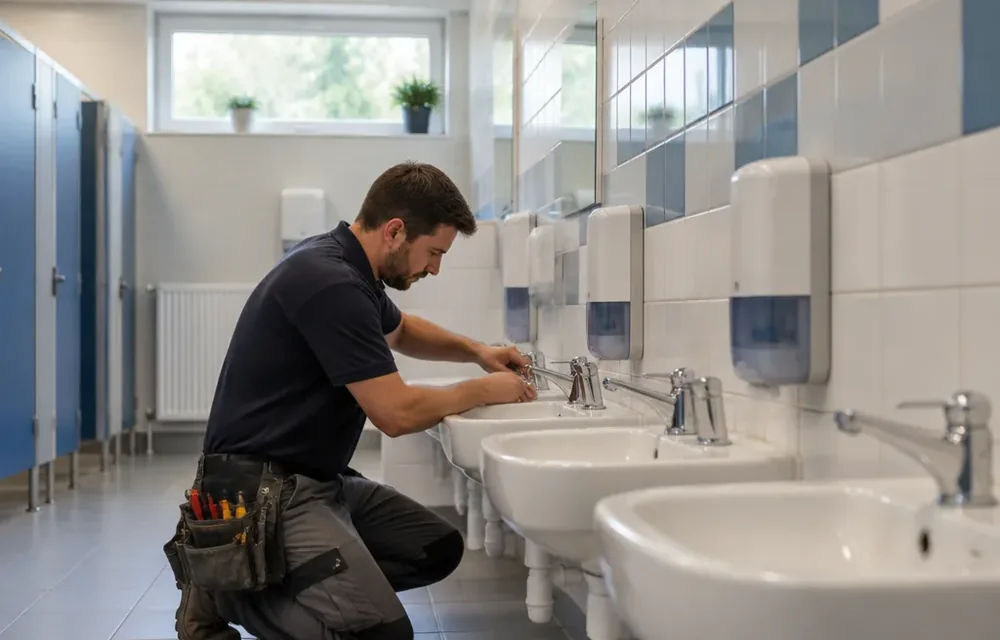
Lever handles, tempered output, and anti-scald mixing reduce burn risk at classroom and restroom sinks. Consistent temperature across fixtures matters more than peak heat in these buildings.
Off-hours scheduling
Class days leave little room for shutdowns, so restroom and heater work fits evenings, weekends, and breaks where access allows. Phasing keeps one restroom group open while the other is serviced.
Durable fixture choice
Heavy daily use favors commercial-grade trim with replaceable cartridges, secured seats, and vandal-resistant fasteners. Documenting part numbers by restroom shortens the next repair.
Kitchenette and custodial drains
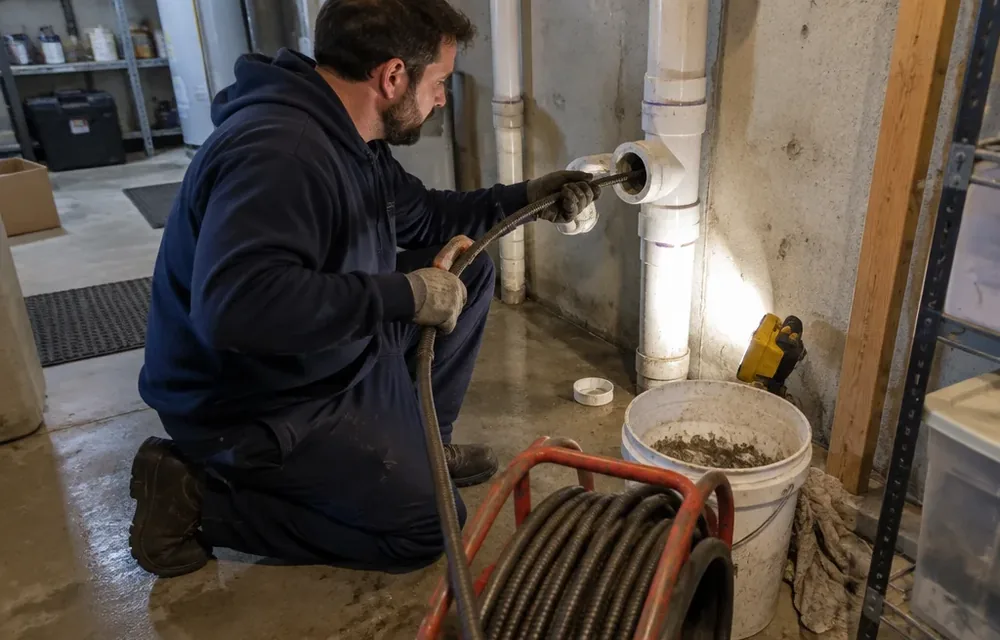
Food film, milk residue, and mop grit coat small branches that also collect paper from restrooms downstream. Strainers and cleaning routines slow buildup, while camera checks sort trap trouble from branch restriction.
Safety details that come first
Temperature control: classroom and childcare sinks need stable tempered output rather than full tank heat at the tap. Mixing valves, tempering settings, and periodic temperature checks at several fixtures confirm even delivery. Where output swings hot, heater and mixing review comes before fixture swaps.
Fixture safety: secure seats, smooth edges, reachable handles, and correct flow limiters reduce daily incidents in young-user restrooms. Loose anchors and sharp trim get corrected even when flow looks fine. A room-by-room note of handle type and seat hardware keeps replacements consistent.
Hygiene flow: touch-reduced faucets and flush controls limit contact points where the building supports them, but they still need cartridge and sensor upkeep. Fixture work records cover what to log per restroom so parts match across wings. Schools in Acton and Westford with similar layouts use the same sheet.
Planning work around the school calendar
Window planning: breaks, professional days, evenings, and weekends allow shutdowns without moving classes. Summer and longer breaks suit heater swaps and multi-restroom overhauls, while short windows fit cartridge and seal batches. Sharing term dates and daily bell times on the call sets a realistic sequence.
Phasing restrooms: work moves wing by wing so one group stays open while the other is under repair. Water isolation stays limited to the affected branch, with clear signage for staff and students. Retesting under load before reopening prevents a morning surprise.
Heater and drain timing: noisy tanks, short hot runs at kitchenettes, and slow restroom branches get addressed before peak terms rather than during them. Where several fixtures slow together, drain cleaning with retesting sorts branch trouble from isolated traps. Our cost guide explains how fixture count and access shape scope.
Code and durability notes for learning sites
Plumbing code scope: fixture and piping work in Massachusetts falls under 248 CMR, the Uniform State Plumbing Code, with the Board of State Examiners of Plumbers and Gas Fitters governing who may alter supply and sanitary systems. Permits and inspection run through the town office where piping is opened or fixture layouts change.
Durability choice: commercial trim with serviceable parts outlasts light residential trim under school loads. Standardizing cartridges, seats, and handles across restrooms reduces spares and training time for custodial staff. Correct mounting heights and clearances stay part of every swap.
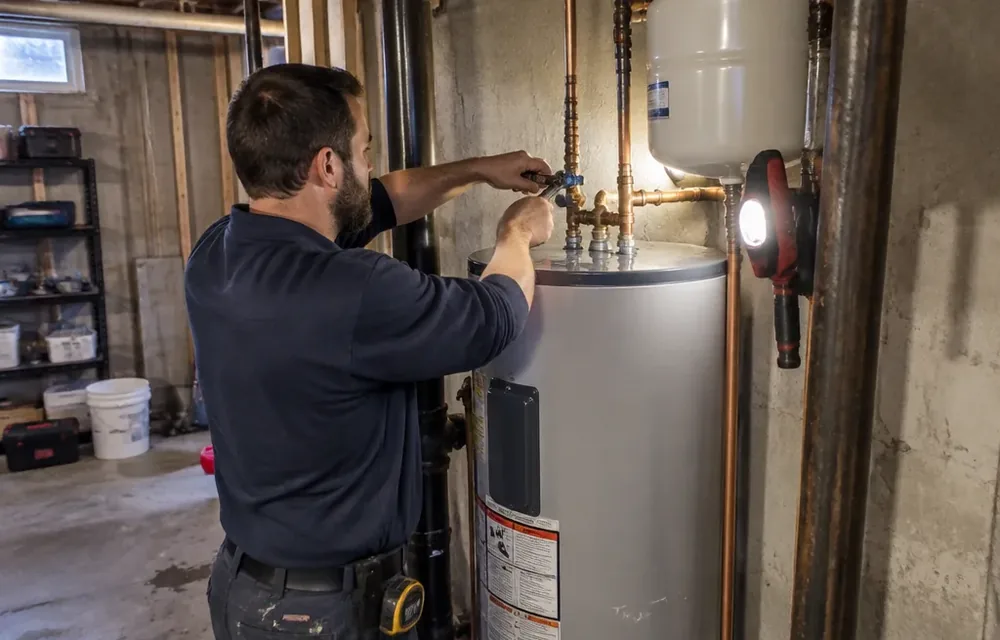
Heater review: Water heater service checks cover tank age, recovery, tempering, and rust at the pan, especially where tanks sit above finished classrooms or stores. Records of age and output guide replacement timing before a leak closes rooms.
Related services
Frequently asked questions
How should schools schedule restroom work?
Off-hours windows with phased restrooms cause the least disruption. Evenings, weekends, and breaks allow branch shutdowns without moving classes, while one restroom group stays open. Clear signage and staff notes keep closed fixtures untouched until retesting is done. Sharing term dates, bell times, and fixture counts on the call sets the sequence.
How is hot water kept safe for young children?
Stable tempered output at the tap keeps handwashing safe for young children. Mixing and tempering controls blend tank heat down to a steady handwash range, with checks at several fixtures to confirm even delivery. Where output swings hot or cold between rooms, heater and mixing review comes first. Staff should report any tap that runs hotter than its neighbors.
Why do school restroom drains slow together?
Several restroom fixtures slowing together point to a shared branch rather than isolated traps. Paper, wipes, and grit meet in long runs to the main, where buildup narrows the bore. A single slow lavatory often traces to a stopper or trap instead. Noting which rooms share trouble and how fast it returns guides cable work with camera confirmation.
When does a school heater need attention?
A heater needs attention when output runs short, rumbles, shows rust, or varies between wings. Short hot runs at kitchenettes and lukewarm hand sinks during peak use point to capacity or tempering trouble rather than a single fixture. Record tank age and recovery behavior, then compare repair against replacement timing before a leak affects classrooms below.
Schools and Childcare?
Call and describe the building. A local specialist takes it from there.