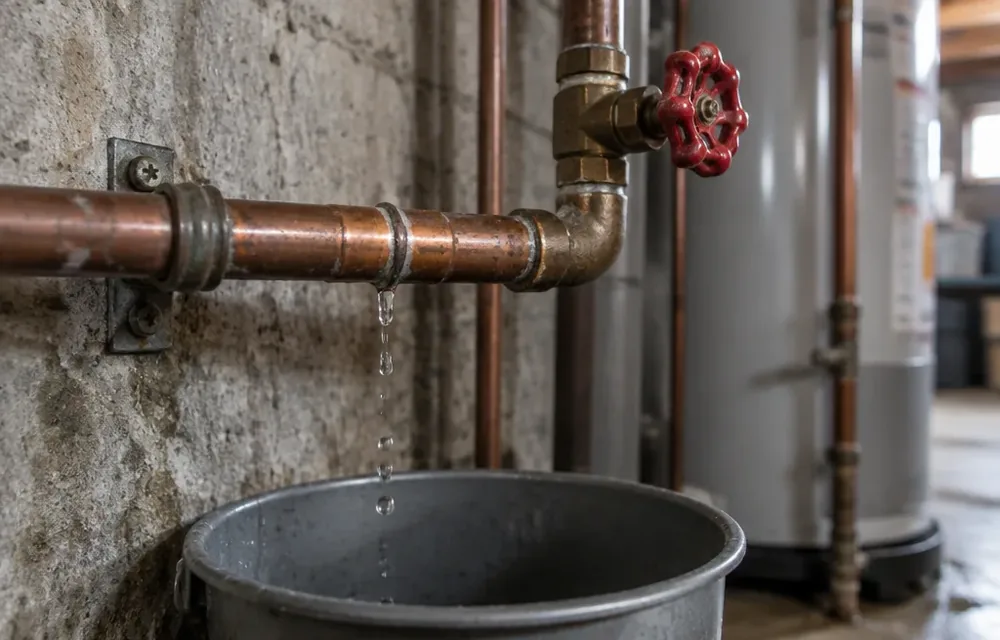
How does an emergency plumbing charge take shape?
Emergency charge shape: An emergency plumbing charge takes shape from the visit itself plus the labor, parts, access work, and follow up steps that the problem requires. Dispatch outside daytime hours carries different labor factors than a scheduled daytime visit, while the repair portion depends on what is found once flow is stopped and the source is exposed. No two leaks carry the same scope even when the stain on the ceiling looks similar.
The visit often starts with make safe work that limits harm before any permanent repair begins. That make safe stage can include closing isolation valves, capping a failed section, draining a line, or setting a temporary control that holds until daylight and parts allow a full fix. Each of those actions takes time and judgment, and that time forms part of the overall scope you are asked to consider. You can see the same staged approach in leak detection and burst pipe repair where finding the source comes before opening finishes.
Parts and testing add further shape once the leak is controlled. Copper, PEX, galvanized, and CPVC each call for different fittings and methods, and older sizes can take longer to adapt cleanly without stressing nearby joints. Retesting under pressure, running nearby fixtures, and checking drains and heat where affected all take time but prevent a return visit. Reading plumber hourly rates in Massachusetts helps you see why labor factors differ by task and timing.
What drives the scope up or down and how do you tell apart the drivers?
Scope drivers: Scope drivers are the site conditions that separate a short contained fix from a longer invasive repair. Access difficulty, pipe material and age, extent of water spread, equipment needs, and permit steps each push the plan in a different direction. Learning to tell these drivers apart helps you understand what you are shown on site.
Access and extent tell the story: An exposed basement valve with clear working room allows direct work with little preparation. A leak inside a tiled shower wall, behind kitchen cabinets, or above a finished ceiling requires careful opening, protection of finishes, and patching that sits outside the plumbing fix itself. The spread of water matters in the same way, because a small drip caught early differs greatly from flow that has soaked insulation and subfloor across a room. Photos of where water appears and where the main shutoff sits help the person on the phone grasp access before arrival, as explained in how to shut off the water main.
Material and equipment add weight: Older galvanized sections, mixed metal joints without proper separation, and brittle trap parts all slow careful removal and replacement. Drain emergencies that involve the main line may call for cable equipment and then a camera look to confirm the line is clear, while supply emergencies may call for soldering or press fittings and drying time. Homes served through the town water system often carry strong street pressure, so a failed supply valve or feed line allows more water out in less time. That pressure behavior links closely to drain cleaning versus hydro jetting choices once flow is restored.
What should you do in order when water is loose?
Ordered response: An ordered response to loose water starts with people and power safety, then stops flow, then protects belongings while you arrange help. That order matters because skipping safety to chase water can create a worse hazard around outlets, boilers, and water heaters. Keep the sequence simple so anyone in the home can follow it under stress.
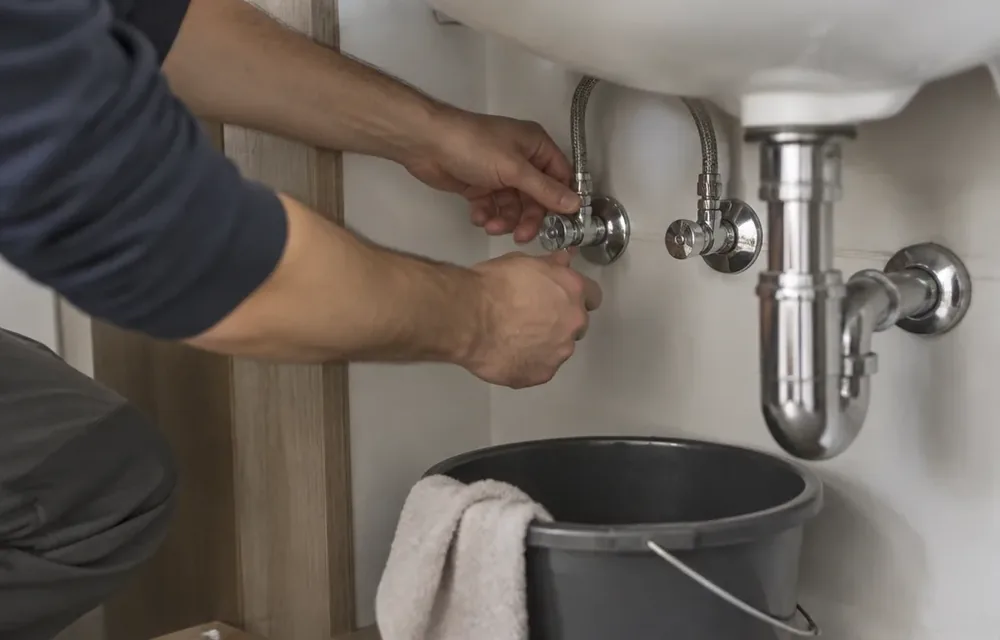
Stop flow close to the source first: Close the nearest fixture valve when you can reach it without stepping in standing water near live outlets. When that valve sticks or water keeps coming, move to the main shutoff where the line enters, often in the basement on the street side, and turn it fully closed. Then ease open a low faucet to relieve pressure and guide remaining water to a safe drain. This staged shutoff approach is described further in how to shut off the water main and in leak detection and burst pipe repair.
Protect and describe while you wait: Move rugs, electronics, and paper goods away from the wet path, place a bucket under an active drip, and set towels at the edge of the spread to slow travel toward finished rooms. Note what you hear and smell, which fixtures were in use, and whether heat or hot water changed at the same time. When you call (978) 592-1168, that short account helps sort supply trouble from drain trouble and heat trouble across Chelmsford, Billerica, and Tewksbury.
Emergency options compared side by side
Option comparison: Emergency options differ in timing, access needs, equipment, and whether the fix is meant to hold overnight or to close the job fully. The right choice depends on whether water is still moving, whether sewage or gas is involved, and whether parts and light allow a durable repair at that hour. The table below lays out common paths so trade offs stay clear.
Temporary control versus full repair: Temporary control closes, caps, or isolates the failed section so the home stays safe until daylight allows a full repair with full parts and inspection access. Full repair at night fits cases where waiting would clearly allow more harm, such as a main supply that cannot be isolated or a sewer backup that keeps rising with each flush. Phone guidance often proves most valuable first, because closing the right valve early limits harm more than any tool brought later. For drain paths, compare drain cleaning with hydro jetting once flow is restored.
Equipment paths diverge by system: Supply leaks call for hand tools, fittings, and pressure testing, while main line backups call for cable machines and often a camera survey after flow returns. Chemical openers are a poor trade during a backup because they sit in the line and create a hazard for the person who opens the trap or cable access. When sewage is present, keep fixtures off and avoid basement outlets under water. That safety first stance matches sewer line repair and replacement practice after repeated backups.
| Path | When it fits | What it involves | Trade off to know |
|---|---|---|---|
| Phone walk through and shutoff help | Water is moving and you can reach a valve safely | Guided closing of fixture valve then main shutoff with safety checks | No tools on site yet but early flow control limits harm |
| Temporary cap or isolation | Failed section can be closed off while rest of home stays usable | Cap, close, or drain down one branch and retest remaining system | Home is safe overnight with permanent fix planned by day |
| Full repair during the visit | Waiting would allow clearly more harm or loss of heat in cold weather | Open, replace, join, pressure test, and retest fixtures | More access and parts needed at night with follow up possible |
| Main line cable plus camera look | Multiple fixtures back up at once or sewage appears in low drains | Cable to restore flow then camera to confirm cause and condition | Equipment time plus diagnosis before any line repair choice |
Why emergency work looks this way around Chelmsford
Chelmsford area pattern: The Chelmsford area pattern blends older colonials near the center, capes with finished basements, and subdivisions where later additions changed pipe runs. Many homes hold the water heater, boiler, washer, and main shutoff in one basement room, so a supply failure in that room finds finished space fast. That layout shapes both shutoff advice and access planning.
Water source and pressure context: Much of Chelmsford draws town water through the Lowell Regional Water Utility system, which moves about four point six billion gallons per year for about one hundred thirty five thousand customers across Lowell, Dracut, Tyngsborough, and Chelmsford. Billerica Water Works serves nearby areas from its Treble Cove Rd plant. Strong street pressure helps showers and fill valves work well, but it also means a failed supply valve releases more water before the main is closed. Knowing where your main sits before trouble starts matters more here than in homes on low pressure wells, and local notes for Lowell and Billerica describe similar basement layouts.
Season and street effects: Winter exposes piping in crawl spaces, garage walls, and additions where later runs lack enough protection, which links this cost topic to frozen pipe prevention and thawing and winterize plumbing in Chelmsford. Spring and heavy rain raise the water table near river lowlands, so sump and basement drain calls cluster after storms and overlap with sump pump installation. Tree lined streets also send roots toward older clay or concrete sewer joints, so a main line backup often shows first in a basement shower. Those seasonal and street factors explain why two neighbors can face very different scopes in the same week.
Limits of phone figures and third party cost guides
Guide limits: Guide limits matter because no phone figure can see access, material, or spread before the source is exposed. A drip from a loose slip joint and a drip from a pinhole inside a wall can look identical from below yet require very different openings and parts. That is why careful diagnosis on site carries more weight than any figure quoted without seeing the home.
Third party context with care: One national cost guide reports residential work around eighty nine dollars per hour plus parts, with a range around eighty four to ninety five dollars, along with drain clog clearing around one hundred fifty eight dollars and sewer camera work around three hundred seventeen dollars. Those figures come from the ProMatcher Massachusetts cost report as third party estimates for context, not our prices, and local access and scope move any real plan away from averages. Sewer cleaning around two hundred fifty one dollars and sump installation around one thousand three hundred sixty three dollars appear in the same report for related drain and basement work. Use those reports to learn which drivers to ask about, such as access, material, equipment, and permit steps, rather than as figures to hold any home to, and you can place that context beside drain cleaning and sewer line repair and replacement to see how equipment changes scope.
Wage versus billed rate confusion: A national wage figure is not a bill rate, and mixing the two creates false expectations about what a visit should involve. The May twenty twenty five national median wage for plumbers, pipefitters, and steamfitters was thirty dollars and sixty seven cents per hour according to the Bureau of Labor Statistics, and that wage sits inside a business with trucks, tools, insurance, dispatch, and after hours coverage. Billed time also covers diagnosis, protection of finishes, testing, and documentation, not only wrench time on the joint. Keep that gap in mind when you read plumber hourly rates in Massachusetts and when you compare any online average to your home.
When should you call for emergency help in Chelmsford?
Call judgment: Call judgment rests on whether harm is active, whether safety is involved, and whether waiting would clearly allow more harm by morning. Active supply flow you cannot stop, sewage coming back into tubs or floor drains, a burst section with spreading water, and no heat when pipes can freeze all point toward help now rather than later. A single slow sink with no overflow or a drip that stops at its valve usually fits a daytime visit.
What to say on the call: Describe where water is, what you hear and smell, which fixtures were in use, and what changed with heat or hot water at the same time. Mention any chemical opener already poured, any breaker or outlet near standing water, and whether the main shutoff moves freely or sticks. Those details help sort a supply leak from a drain backup and heat trouble from water heater trouble across Chelmsford, Westford, and Concord. For heat loss with freezing risk, also read boiler emergency explained while you keep the area clear.
How the call proceeds: Call (978) 592-1168 and talk through shutoffs while help is arranged, starting with the nearest fixture valve and moving to the main where needed. Keep people away from water near live outlets, keep fixtures off when sewage is present, and ventilate and leave the area when gas odor is suspected before any plumbing step. If the problem can wait for morning without active harm, you will be told so plainly and pointed toward leak detection and burst pipe repair or water heater installation and repair for a daytime plan.
Near you
When to call
Related guides
Frequently asked questions
How much does emergency plumbing cost in Chelmsford?
Emergency plumbing in Chelmsford has no set figure because access, pipe material, water spread, and after hours factors shape each visit. One national cost guide reports residential work around eighty nine dollars per hour plus parts as third party context, not our prices. The clearest path is an on site look that names what failed, what choices exist, and what drives labor on your home.
Why do after hours visits differ from daytime visits?
After hours visits differ because dispatch, lighting, parts availability, and access constraints change the work. A temporary cap overnight with a full repair by day can be the most sensible path when waiting does not add harm. Full opening of walls or digging at night fits only where delay would clearly cause more harm. Ask what was found and why the suggested timing fits.
What should I do before help arrives?
Protect people and power first, then close the nearest fixture valve and move to the main shutoff when flow continues. Place a bucket, move rugs and electronics, and note what was in use when trouble started. Keep fixtures off when sewage is present and stay clear of outlets under water. Read how to shut off the water main while you wait.
Do online cost averages set my total?
Online averages do not set your total because they blend many homes, materials, and access levels into one figure. One national cost guide reports drain clearing and camera figures as third party estimates, yet your access and line condition move the plan. Treat averages as background for questions about drivers, not as figures tied to your home. An on site diagnosis matters more.
When is a leak an emergency and when can it wait?
A leak is an emergency when water keeps spreading, sewage backs into living space, heat is out with freeze risk, or gas odor is present. A drip that stops at its valve, a single slow sink with no overflow, or a dry stain from an old event usually fits morning service. When unsure, call (978) 592-1168 and describe what you see for plain guidance.
Still stuck?
Describe what you see when you call and a local specialist will guide the next step.