What does a sewer camera inspection show?
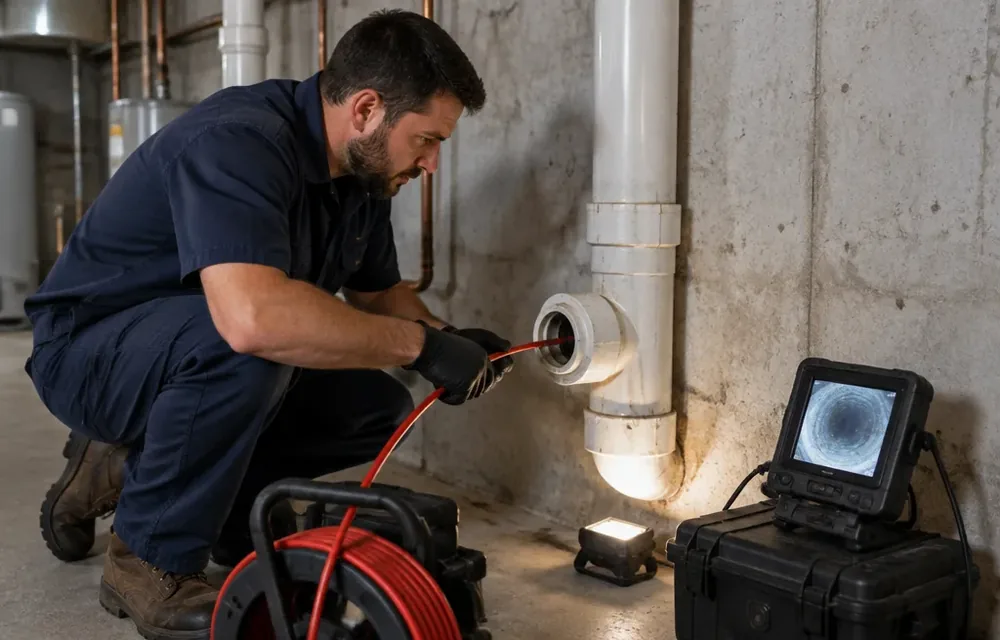
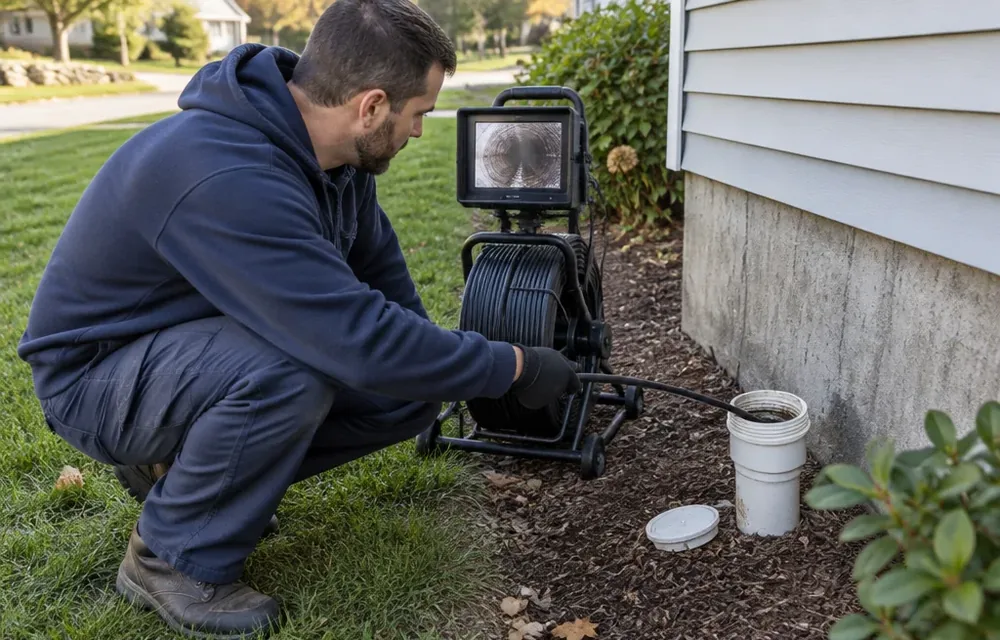
Camera view: A sewer camera inspection shows the inside of the building drain and lateral on a monitor as the head travels downstream. A sewer camera inspection reveals grease sheets, scale, root tails, bellies holding water, offset joints, cracks and breaks with on screen distance marks.
Distance and direction: The locator above ground marks where the head sits and how deep it runs, so findings tie to a spot in the yard rather than a guess. That pairing of video plus location lets section work open one area instead of trenching blind. See backed up sewer patterns and clogged drain patterns for the symptoms that video sorts.
Record for planning: We save the run with narration of material, distance and defect type so later bids and permits rest on the same evidence. A clean bore on video proves cleaning alone will hold, while a belly or break proves why another cable pass cannot. That record also helps buyers and sellers of older homes agree on scope through sewer line repair notes.
What causes hidden line trouble, and how can you tell?
Hidden causes: Hidden line trouble comes from roots entering joints, grease and scale narrowing the wall, soil settling into bellies, and joints shifting into offsets that snag paper. Hidden line trouble rarely shows at one fixture, so whole home slowing and low backup mark its pattern.
Root versus belly signs: Root trouble returns on a schedule and often pulls back pale tails on the cable, with slowing that spreads across fixtures after growth seasons. Belly trouble shows as lingering slowness after clearing, with gurgles that persist even when the cable runs free. Note timing, fixtures and return interval, because that log points the camera to the right span. Compare gurgling drains and slow tub behavior while you track.
Break versus buildup: Buildup slows flow but still passes water after clearing, while a break or severe offset backs waste quickly and repeats within days. Odor near a cleanout, soggy ground over the lateral path and paper that returns at the same distance all argue for structure rather than film. Video with standing water or a visible edge confirms the call and moves planning toward repair rather than hydro jetting alone.
What to do in order before and during a camera visit
Ordered visit: An ordered camera visit starts with flow restored enough for the head to travel, because a packed blockage hides the wall. An ordered camera visit then stages at the best cleanout, with fixtures quiet so the image stays clear and the locator reads true.
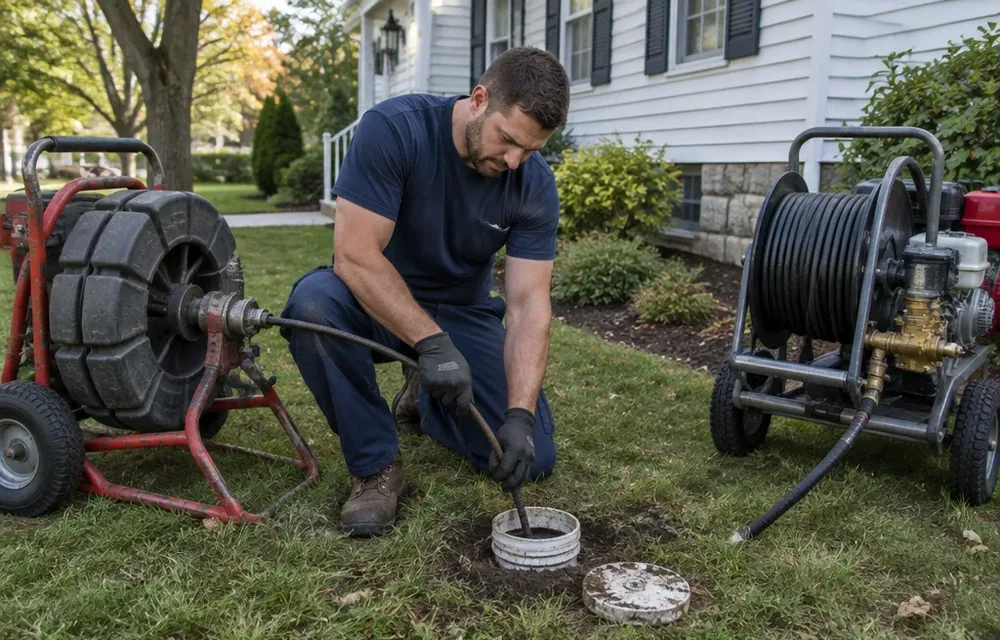
Prepare the access: Clear stored items from around the basement or exterior cleanout, note where prior backups appeared first, and hold water use during the run so the lens sees wall rather than surge. Do not open concealed piping or pull toilets yourself to make access, since that work belongs with a license holder. If sewage is active low in the home, stop use and call (978) 592-1168 and review emergency plumber steps while you wait.
Walk the footage: Watch the monitor with the operator, ask for distance calls at each defect, and request the saved file with marks for later planning. Ask plainly whether the bore is round and clean, bellied, offset or broken at each span. That shared viewing keeps jetting, cutting or repair choices tied to evidence and to notes in the cost guide.
When video proof pays and when cleaning alone holds
Value frame: Video proof pays when history repeats, when digging is on the table, or when pressure cleaning needs safety proof. Video proof also pays before buying an older home, because one run can reveal the lateral condition that no surface walk can.
Cleaning holds alone: Cleaning alone holds when a single fixture plugs from hair or food and stays clear for months after one cable pass with changed habits. Whole home returns within weeks, paper snagging at one distance, and waste low in the home all argue against cleaning alone. ProMatcher MA cost report figures as third-party estimates put camera work at about $317 and drain clearing at about $158, which frames why one video run can prevent several repeat cable visits. See drain cleaning notes for when a cable pass suffices.
Buying and planning uses: Buyers use video to avoid inheriting a broken lateral, sellers use it to prove a sound line, and owners use it to size jetting pressure safely. In each case the distance marks turn a vague backup story into a measured plan. Pair the footage with sewer line repair options and hydro jetting fit before committing to digging.
Why Chelmsford area lines benefit from video proof
Local need: Chelmsford area lines benefit from video proof because subdivision streets carry heavy canopy over clay and cast iron laterals with joints that shift a little each season. Chelmsford area capes and colonials also mix remodel era piping, so the lateral age changes along one run and only video maps it.
Soil and water mix: Low ground near the Concord and Merrimack rivers holds moisture that invites roots, while long cool basement runs let grease coat the wall before the street. Town supply through the Lowell Regional Water Utility system lays mineral scale that roughens older interiors. The same pairing shows near Lowell triple deckers with shared drains, near Littleton colonials with long laterals, and near Bedford mid century streets with mature trees.
What to tell dispatch: Mention tree cover, lateral material where known, prior cable distances and how fast trouble returned. Those facts decide whether the visit stages cable plus camera together or camera alone in a clear line. Keep prior video files if you have them, because a new run compared with an old run shows growth, settling or new offsets without guesswork through drain cleaning history.
Limits of a sewer camera look
Camera limits: Camera limits start with access, since a buried or capped cleanout and a fully packed blockage can block the head. Camera limits also include cloudy water during active backup, which hides fine cracks until flow calms and the lens passes again.
What video cannot do: Video cannot fix grade, close a break or scour grease on its own, so findings still need cutting, jetting or repair to change flow. It cannot see through soil outside the pipe or test soil bearing for excavation. Treat footage as diagnosis rather than cure, and budget the follow work it reveals. Review trenchless and traditional repair paths once video shows structure trouble.
Avoiding misreads: Scale flakes, water reflections and service connections can look like defects to an untrained eye, so narration by the operator matters more than still images. Ask which marks are defects and which are normal joints or transitions. A second pass after cleaning often clears the doubt when the first run looked cloudy through hydro jetting prep.
When to call for a camera inspection in Chelmsford
Call timing: Call timing for a camera inspection fits repeat main trouble, whole home backups, and any plan to jet or dig. Call timing also fits a home purchase with older clay or concrete joints, where proof now prevents dispute later.
What to say on the call: Call (978) 592-1168 with fixture pattern, return interval, prior cable notes and cleanout location ready. Stop water use if waste backs up low, and avoid chemical openers that endanger the operator who opens the line. Ask whether the visit should bring cable plus camera or camera alone, and confirm you will receive the saved file. See emergency plumber guidance and what moves the price for visit context.
Massachusetts rules: Sewer and drain work in Massachusetts follows 248 CMR, the Uniform State Plumbing Code, with the Board of State Examiners of Plumbers and Gas Fitters governing who may open and alter sanitary piping as listed on mass.gov. We work through accessible cleanouts, protect finishes around the staging area and refit caps after the run. Where video reveals breaks or bellies, we explain permit and inspection steps through the local inspector before repair planning.
Near you
When to call
Related guides
Frequently asked questions
How much does a sewer camera inspection usually involve?
A camera inspection involves a cleanout entry, a video run with distance marks and a saved file with narration. Flow must be open enough for the head to travel, so cable work often comes first. ProMatcher MA cost report figures as third-party estimates put camera work at about $317. The footage then guides jetting or repair without blind digging.
Will a camera find why my main keeps backing up?
A camera usually finds the cause when returns follow a pattern, because roots, bellies, offsets and breaks each look distinct on video. Distance marks tie the defect to a yard spot for targeted work. Cloudy water during active backup can hide fine cracks, so a second pass after clearing sometimes follows. Bring prior cable notes to speed the read.
Should I camera before hydro jetting?
Camera before jetting proves the pipe can take pressure and maps defects that pressure cannot fix. Jetting a belly or break wastes effort and can push water through open cracks. A return run after jetting then proves a round bore. That pair of videos keeps pressure work safe and documents the result for later planning.
Do I need a camera when buying an older Chelmsford home?
A camera is wise for older homes with clay or concrete joints under mature trees. One run can reveal roots, bellies and offsets that no surface walk shows. Sellers can prove a sound line and buyers can plan section work with distance marks. Ask for the saved file so later cleaning or repair bids rest on shared evidence.
Still stuck?
Describe what you see when you call and a local specialist will guide the next step.