Signs
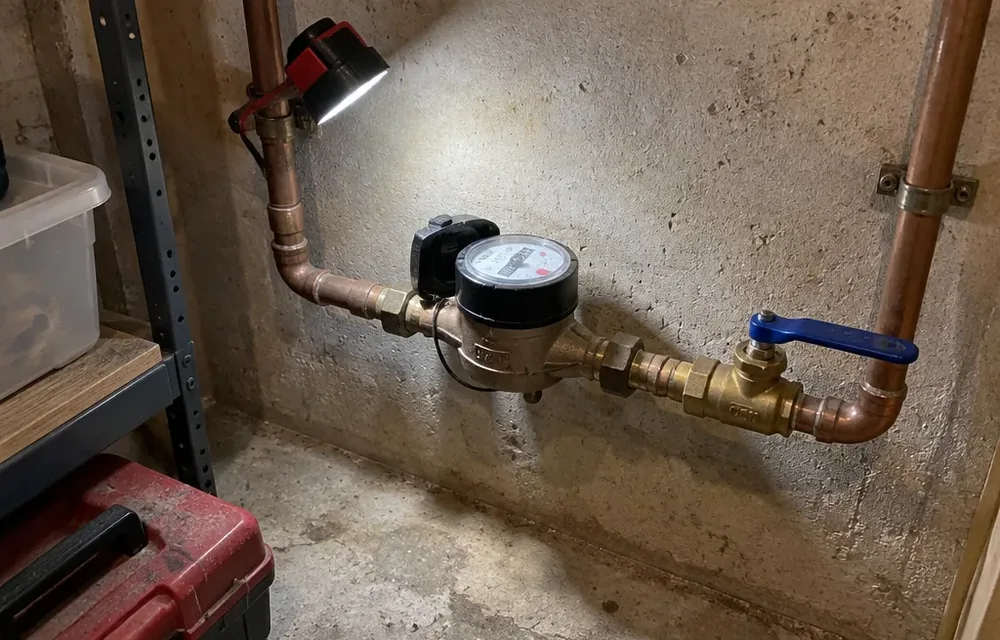
Meter that moves with fixtures off
A meter dial or low-flow indicator that creeps while no fixture runs points to flow past the meter toward a fixture or a supply leak.
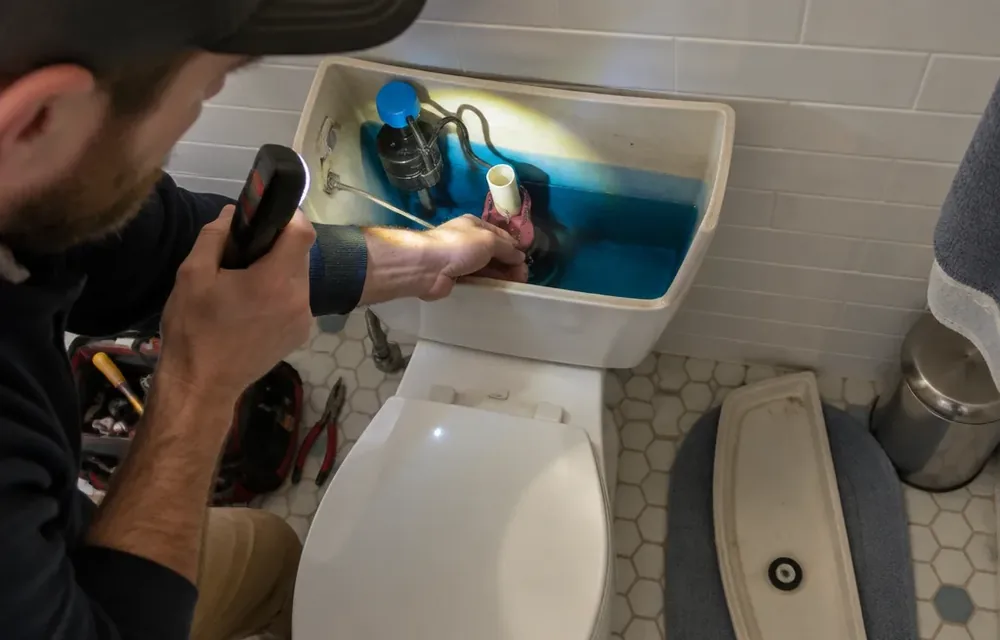
Toilet that hisses or refills without flushing
A fill valve that runs in short bursts or a tank that loses level overnight wastes steady water without visible pooling.
Damp or warm patch that never dries
A floor or wall spot that stays damp in dry weather, or a slab area that feels warm underfoot, can mark a pressurized line leaking below.
Sound of water with taps closed
Hissing in walls, humming near the meter, or trickling behind a bathroom group with fixtures off suggests movement that should not be there.
What a high bill from a leak is
Direct answer: A high bill from a leak is billed use that never served a fixture, lost through a fixture fault or a pressurized pipe path. Running toilets, stuck fill valves, dripping faucets, and softener or humidifier drains waste water inside the house. Supply leaks in walls, under slabs, or along the yard service waste water silently and show up first as meter movement rather than puddles.
How the meter tells the story: The meter proves whether loss sits inside or beyond the house when fixtures rest. A meter that holds steady with the main valve open points toward fixture waste that runs in bursts. A meter that creeps with fixtures off points toward a pressurized leak that runs without pause. Note the meter reading, wait without water use, then read again, because that quiet test shapes the whole search.
Why bills lag the leak: Billing periods cover weeks, so a small steady loss adds up long before anyone sees damp material. A toilet that refills briefly through the day and a pinhole that mists inside a wall both bill the same way, drop by drop. Early meter checks catch the pattern while drying and repair stay simple. See high water bill patterns and running toilet waste for the checks we run first.
What causes hidden water loss
Direct answer: Hidden loss comes from fixture faults, failed seals, and pressurized pipe damage working alone or together. Toilet flappers that warp, fill valves that stick, and faucet cartridges that weep waste water into drains where it never pools. Supply lines rub at straps, corrode at mixed-metal joints, and split at freeze-weakened spots that open under normal pressure.
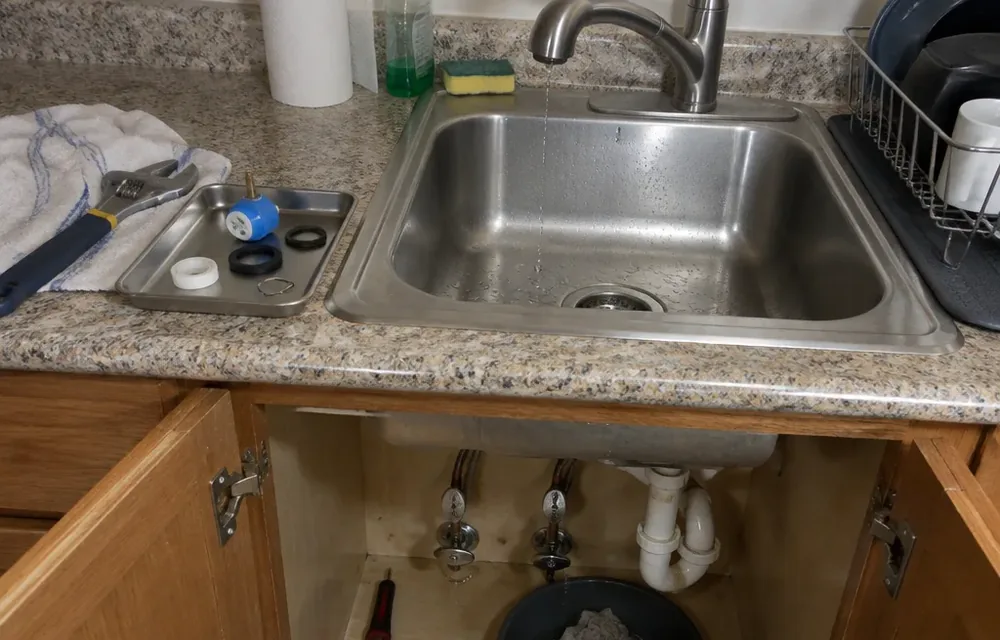
Inside paths: Under-sink supplies sweat and drip into cabinet bases, toilet bases seep at wax seals only when flushed, and ice maker and humidifier lines mist at compression joints behind appliances. Water heater relief lines that terminate in hidden drains can discharge without notice. Listen for hissing at night, feel cabinet floors for swelling, and look for mineral crust at joints, because slow weeps leave pale traces before they stain.
Outside and under-slab paths: Yard service lines leak at joints and where rocks press against the pipe, draining into soil without surface pooling in tight ground. Slab lines leak where copper meets concrete and movement wears the wall thin. Irrigation valves that stick open and outdoor faucets with split stems waste water at the perimeter. Greener strips of lawn in dry spells and soil that stays soft near the service path deserve a closer look before digging.
Look-alikes worth ruling out
Direct answer: Seasonal use, guests, new appliances, and meter timing often mimic a leak and should be ruled out first. Irrigation schedules, hose use, filling a pool, and watering new beds raise use without any pipe fault. Extra laundry and guests change the pattern for the same billing period, as does a new softener, humidifier, or ice maker cycling more often than expected.
Use versus loss: Compare the billing period with weather and household changes before assuming pipe damage. A bill that jumps during dry months with daily irrigation points toward outdoor schedules rather than indoor piping. A bill that stays high after irrigation stops, with the meter creeping overnight, points back toward fixture or supply loss. Read the meter last thing at night and first thing in the morning without overnight use to separate the two.
Meter and billing quirks: Estimated reads, airgapped replacement meters, and misread dials create jumps that look like leaks on paper. A toilet that only runs after certain flushes and a humidifier tied to heating calls waste water in bursts that are easy to miss. If fixtures test clean and the meter holds steady, review the bill for estimate marks and check softener and humidifier drains before opening walls. See dripping faucet waste for fixture tells that mimic pipe leaks.
Where hidden leaks come up locally
Direct answer: Hidden leaks cluster in colonials with layered remodels, in ranches with slab additions, and on streets with older service lines under settled soil. Mixed copper and older steel at transitions corrode exactly at the joint, which weeps inside walls long before it stains. Slab additions hide pressurized runs where movement and concrete contact wear thin spots that bill quietly for weeks.
Older streets and remodel layers: Center colonials around Chelmsford and mill-era streets in Lowell carry supply runs patched through several remodels, with valves and joints buried behind tile and built-ins. Those hidden joints weep into framing and insulation where the first sign is a musty closet or a baseboard that swells at one end. Quiet hissing behind a bathroom group with dry fixtures above deserves meter testing before patching paint.
Yards and slab runs: Ranch and split-level streets through Billerica and nearby neighborhoods with long yard services see joint and rock-pressure leaks that drain into soil without surfacing. Irrigation tie-ins and hose bibbs with freeze-weakened stems add perimeter loss that looks like indoor waste on the bill. Soft lawn strips over the service path and hose bibbs that drip only when open help narrow outdoor loss from indoor piping.
What a visit for hidden water loss involves
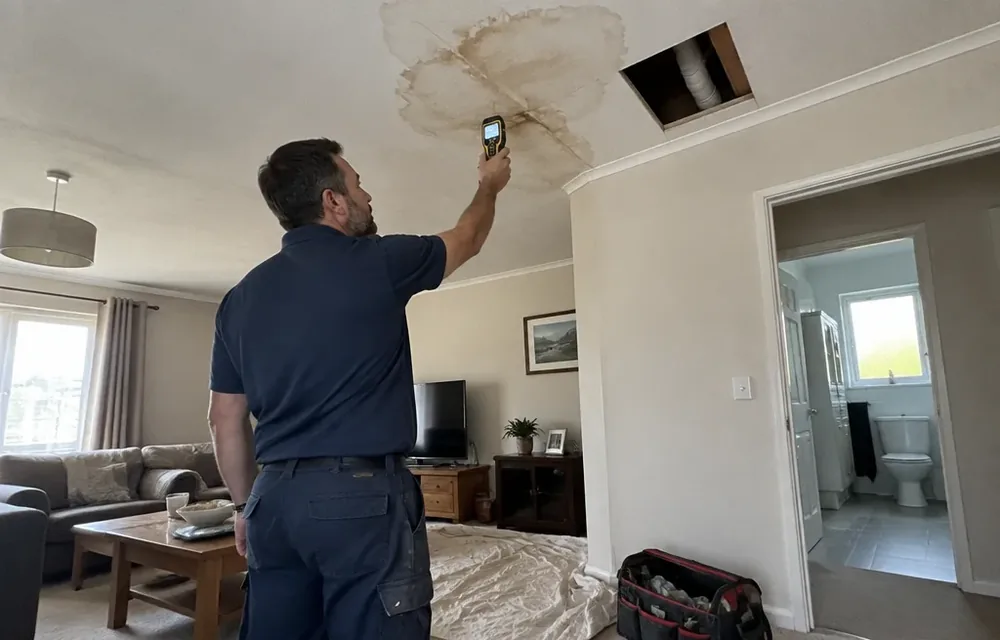
Direct answer: A visit proves whether water moves with fixtures off, then narrows the path without opening more than needed. We start with meter behavior at rest, toilet tank level and dye checks, and a walk of visible supplies, stops, and drains. We listen at walls and the meter, map damp and warm spots, and isolate zones by closing fixture stops one at a time while watching the meter settle.
How we narrow the search: Acoustic listening and moisture mapping separate wall and slab paths from fixture waste. Pressure behavior tells whether loss sits on hot, cold, or yard service. Small inspection openings come only after the path is mapped, kept tight to the suspect run. This work follows leak detection and burst pipe repair methods that favor proof over patching, with emergency plumbing when ceilings sag or water spreads active across floors.
What you receive: You receive a plain read on fixture versus supply loss, the suspect zone, and which opening or repair ends the waste with the least damage. We show meter behavior before and after isolation so the result is visible without jargon. Where a toilet rebuild or cartridge swap ends the loss, we say so plainly rather than pushing pipe work that the meter does not support.
Homeowner checks and damage risk
Direct answer: Homeowners can prove loss safely with meter reads, toilet checks, and a careful walk of visible piping. Read the meter, pause all water use, then read again after quiet time to see if the dial moves. Drop dye or food coloring in toilet tanks without flushing and watch bowls for color that slips past the flapper. Feel supply stops, cabinet floors, and heater pans for dampness that does not match recent use.
Safe checks to try: Turn irrigation controllers to off and retest the meter to separate outdoor schedules from indoor loss. Close individual fixture stops one at a time while watching the meter to find the branch that settles the creep. Look under sinks with a light for crust at joints, swelling at cabinet bases, and supply lines that rub at straps. Leave wall and slab openings, torch work, and main valve rebuilds to us, and keep clear of sagging ceilings that hold water weight.
Damage risk if loss stays: Steady weeps soak framing, swell subfloor, loosen tile, and feed musty odor behind paint that lingers after the surface dries. Slab leaks warm flooring, lift adhesive, and keep soil damp under the house through dry spells. Yard service leaks soften soil along the path and can settle walks and beds. Early meter proof costs less in drying and repair than another billing cycle of quiet loss, especially where hissing, warmth, or creeping meter movement is already present.
The service that fixes it
Related services
Related problems
Frequently asked questions
How do I tell if my high bill is a leak or just more use?
Use the meter with fixtures off to separate the two, because use stops while a pressurized leak keeps moving the dial. Read the meter at night and again in the morning without overnight water use. A steady read points toward irrigation, guests, or appliances, while a creeping read points toward fixture or pipe loss that needs narrowing.
Which toilet check finds silent water waste?
A tank dye check finds a warped flapper that lets water slip into the bowl without sound. Add coloring to the tank, wait without flushing, then look for color in the bowl. Color that appears means the tank drains between fills and the fill valve replaces it around the clock. A rebuild of the flush parts usually ends that waste.
Does a high bill always mean a slab or yard line break?
No, fixture faults cause more high bills than buried breaks, with toilets, softener drains, and humidifier lines wasting water into drains. Buried and slab paths fit when the meter creeps with fixtures isolated and damp or warm zones map to the run. We prove fixture waste first because it resolves without opening floors or soil.
What should I note before calling about a high bill?
Note meter readings with fixtures off, which toilets hiss or refill alone, and any damp, warm, or soft spots with dry weather above. Note irrigation schedules and new appliances in the same billing period. That record lets leak detection start at the right zone instead of retesting what you already proved.
Seeing high water bill from a leak?
Call and describe the symptom. A local specialist will tell you the sensible next step.