Signs
Waste in the lowest fixture
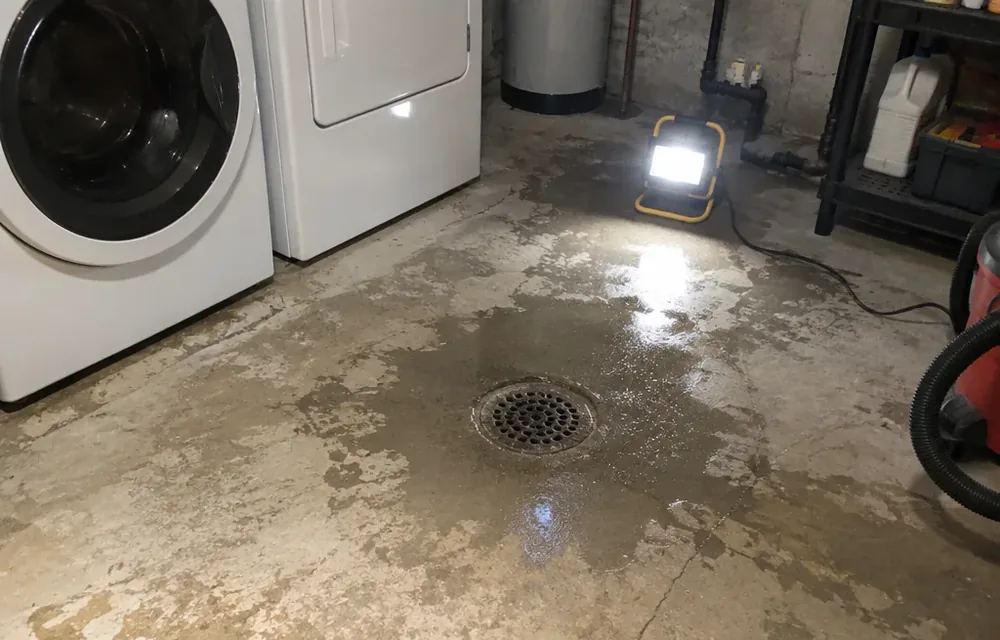
Water or waste rising in a basement shower or floor drain while upstairs fixtures run points to downstream blockage in the main.
Several fixtures failing together
Toilets, tubs, and sinks slowing at once signals a common main restriction rather than a single trap clog.
Gurgling across the house
Bubbling toilets and sinks that react to washer and dishwasher discharge show air trapped by a main-line blockage.
Backup that returns after clearing
A main that flows for days after cabling then backs up again often has roots, scale, or structural damage on the wall.
What a backed-up sewer is
Direct answer: A backed-up sewer is waste water reversing into the house because the building main or street lateral cannot pass normal flow. Upstairs water still drains down, but with the exit blocked it seeks the lowest opening, usually a basement shower, floor drain, or low toilet. The result ranges from gray water pooling to solid waste returning where it should never appear.
How backup moves: The main carries every branch to one exit, so a blockage near the street affects the whole house at once. Water use upstairs adds volume above the blockage that lifts waste at the lowest fixture first. Laundry pump surges and long showers push weak mains over the edge faster than hand washing, which is why backup often follows a normal laundry day rather than a single flush.
Why lowest fixture matters: The first fixture to show trouble sits closest to the blockage level and reveals how far down the restriction lies. A basement floor drain backing up while upstairs baths still flush points near the exit. Every fixture failing together points farther downstream. Note the order fixtures failed and stop water use at once, because added volume raises backup higher into finished space. See backed-up sewer patterns and gurgling drain signs for the mapping we use.
What causes sewer backup
Direct answer: Sewer backup comes from roots, buildup, and pipe damage narrowing the main until normal flow cannot pass. Fine roots enter at joints and grow into mats that snag paper with every flush. Grease, soap, and scale coat the bore where long cool runs let waste cool and settle, shrinking full bore to a slow channel.
Structural causes: Older clay and concrete joints shift with soil movement and open lips that catch paper at each hub. Bellies hold standing water where solids settle instead of washing through. Collapsed sections, offset hubs, and cracked walls let soil in and flow out, which speeds the next blockage. A line that backs up on schedule after each clearing usually has one of these defects rather than fresh waste alone.
House and street factors: Large trees over the lateral feed roots to every joint through dry spells. Additions that tie new baths into old mains without proper slope leave slow spots that collect solids. Street work, heavy loads over shallow laterals, and settled trench backfill all shift joints out of line. Flushing wipes, cotton products, and grease turns a narrow but passing line into a fully blocked one in a single day.
Look-alikes worth ruling out
Direct answer: Branch clogs, dry traps, and sump discharge trouble often look like main backup and need different work. A single slow toilet with normal basement drains points to that branch rather than the street lateral. Sewer odor without backup often comes from a dry trap or blocked vent rather than waste reversing into the house.
Branch versus main: Test several fixtures together to place the blockage. If only one bath group lags while the basement floor drain stays dry, the restriction sits in that branch. If flushing upstairs raises water in a low shower, or the washer discharge bubbles toilets, the main holds the restriction. Septic tanks due for pumping mimic main backup in outlying streets, with slow whole-house drainage and odors at the tank area rather than a street lateral fault.
Storm and sump confusion: Storm water entering window wells and bulkheads floods basements without waste, which looks like backup but carries no sewage. A failed sump with groundwater looks similar but leaves clearer water near the slab edge rather than waste at drains. Note color, odor, and whether backup follows fixture use or rainfall alone, because waste odor tied to flushing points to the sanitary main. Compare clogged drain limits and wet basement entry for the split.
Where sewer backup comes up locally
Direct answer: Sewer backup clusters on tree-lined streets with older joints, in low homes with basement baths, and where long laterals cross settled soil. Mature maple and oak roots find every shifted hub along clay and concrete runs. Basement showers and floor drains sit below street level, so they show main trouble first while upstairs fixtures still seem normal.
Root-heavy laterals: Streets across Chelmsford and nearby blocks in Lowell carry heavy canopy over older laterals with many joints per run. Fine roots enter at hubs through growing seasons and mat over winter, so spring laundry surges push those mains into backup. Camera distance marks usually place the mat at the same joint year after year until the section is cut back or repaired.
Low fixtures and long runs: Ranch and split-level homes through Dracut and nearby neighborhoods with basement baths and long yard runs feel main narrowing first at the lowest shower. Settled trench soil and patched driveways over shallow laterals shift joints out of line where paper snags. Where backup returns to the same low fixture after each clearing, the wall defect matters more than the last flush that filled the bowl.
What a visit for sewer backup involves
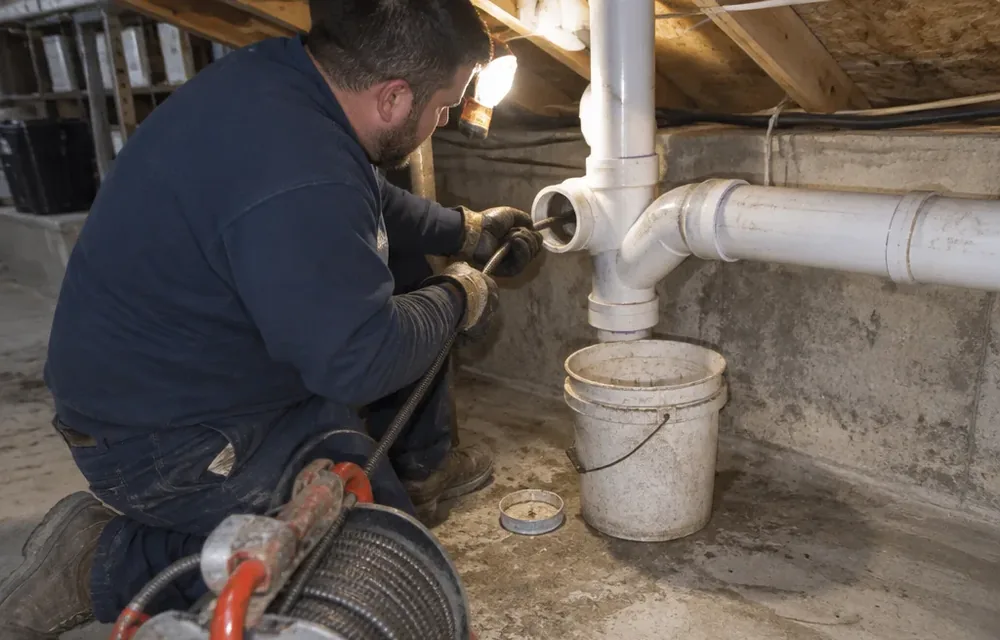
Direct answer: A visit stops the rise, restores flow through the best access, and proves whether the wall will hold. We map which fixtures back up first, find the exterior or basement cleanout, and protect finishes before opening the line. We cable with the right head for roots and buildup, retrieve material, and retest with full fixture flow including laundry discharge where it fits.
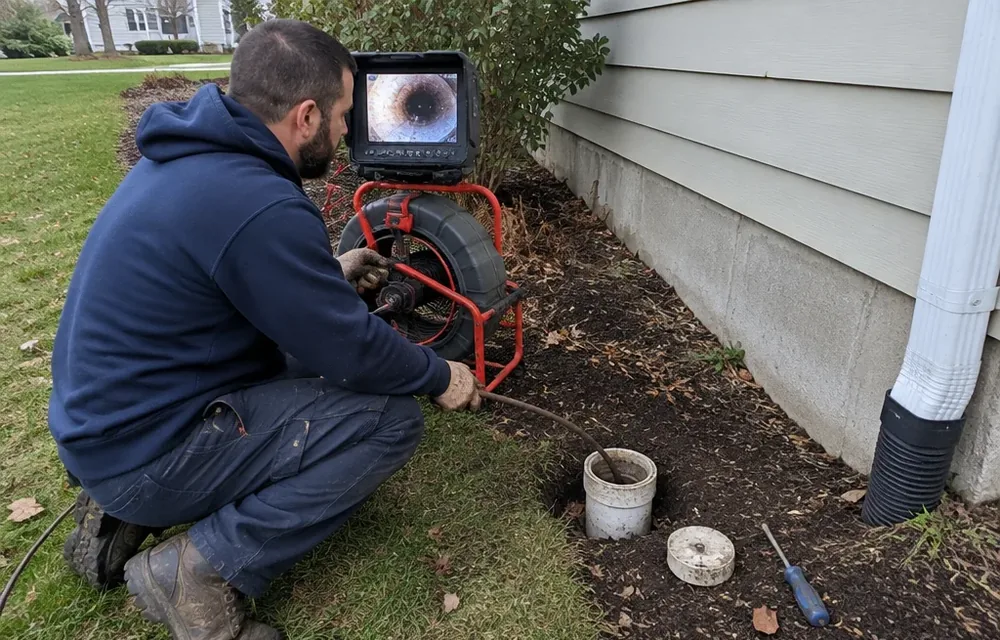
How we prove the main: Camera inspection after flow returns shows roots, bellies, offsets, and breaks with distance marks from the cleanout. That video separates a line that wants scheduled cutting from one that needs section repair. Jetting scours grease and root hair once the line is open and sound enough for pressure. This work follows sewer line repair and replacement planning for structural defects, with drain cleaning restoring flow first so the camera sees the wall rather than waste.
What you receive: You receive the retrieved material shown plainly, camera findings with locations, and a plain read on cutting schedule versus repair scope. We note pipe material, depth cues, and access limits that shape repair planning and town coordination where the lateral nears the street. Where the line proves sound, scheduled care and flush habits hold without excavation.
Homeowner checks and damage risk
Direct answer: Homeowners limit damage by stopping water, protecting people, and avoiding tools that push waste higher. Stop toilets, showers, laundry, and dishwashers at once, keep children and pets clear of backup, and vent the area without touching waste with bare hands. Note the first fixture to back up and what was running, because that order guides cleanout choice better than repeated flushing tests.
Safe checks to try: Find the main cleanout cap location without opening it, note whether backup rises or holds steady after water stops, and move dry stored items off basement floors where water may spread. Wear gloves and boots for any contact, wash thoroughly afterward, and air the space once flow is restored. Leave cleanout opening, powered cables, and jetting to us, and never pull a toilet or open a wall trap to relieve a main that is already under load.
Damage risk if backup stays: Waste water soaks drywall, subfloor, and stored goods quickly, and odor lingers in porous materials long after visible water leaves. Repeated backup in the same low bath lifts flooring adhesive and feeds persistent damp behind baseboards. Added flushes raise waste higher into finished rooms with each cycle. Early water shutoff plus a fast call costs less in cleanup and repair than another laundry load through a main that already shows waste at the lowest drain.
The service that fixes it
Related services
Related problems
Frequently asked questions
What should I stop when sewage backs up low in the house?
Stop every fixture at once, including toilets, showers, laundry, and dishwashers, because added water raises backup higher into finished space. Keep people clear of waste water and note which fixture showed it first. That pause plus the fixture order lets help open the right cleanout without added volume.
Can snaking fix a sewer backup for good?
Snaking restores flow by cutting a path through roots and buildup, but it leaves wall defects that regrow on schedule. A line that backs up again to the same low fixture usually has an offset, belly, or root mat at a marked joint. Camera proof after clearing shows whether scheduled cutting or section repair will hold.
How do I tell a main backup from a single clogged toilet?
Test the house as a group, because a single slow toilet with dry low drains points to that branch. Waste rising in a basement shower or floor drain while upstairs fixtures run points to the main. Gurgling across several fixtures with washer discharge also marks main restriction rather than one trap.
What should I note before calling about sewer backup?
Note the lowest affected fixture, the order others followed, and what was running when it started. Note prior backups at the same spot and any cleanout location you know. That record lets sewer line help choose access and camera distance without retesting every fixture.
Seeing backed-up sewer?
Call and describe the symptom. A local specialist will tell you the sensible next step.